
Preventing Frivolous Lawsuits and Addressing Sovereign Citizen Tactics: An Educational Guide for Dealership Management and Sales Teams
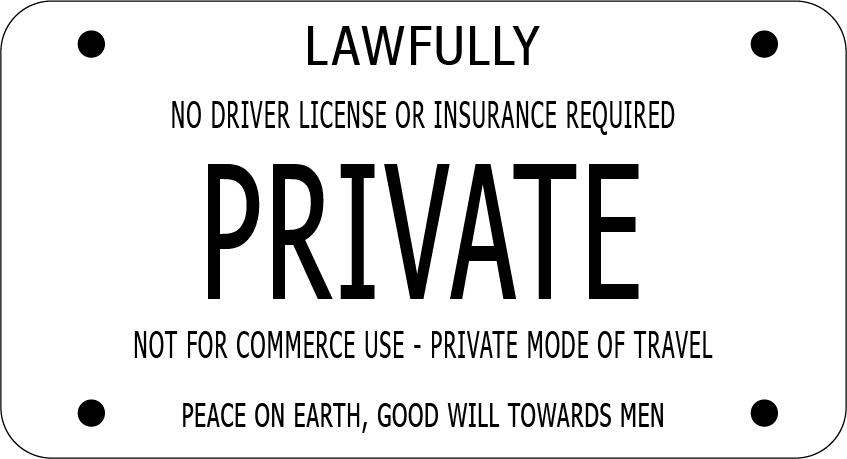
introduction:
As a small dealership owner, you likely have to act as your own compliance officer. That role is to ensure that your dealership operates within the bounds of the law while maintaining the highest standards of integrity and customer service. Recently, many dealers have encountered a rise in frivolous lawsuits based on misleading and false information circulating on social media. Additionally, there has been an increasing presence of individuals adopting the Sovereign Citizen Movement, which employs unconventional and pseudo-legal tactics to avoid compliance with standard legal and financial requirements. It is crucial for all dealership staff to understand these issues and learn how to prevent and handle such baseless claims effectively.
Understanding False Claims and Sovereign Citizen Tactics
1. Down Payments are Illegal:
- Fact: Down payments are a standard and legal practice in vehicle financing. They serve to reduce the loan amount and demonstrate the buyer’s commitment to the purchase.
- Misconception: Some social media posts falsely claim that requiring a down payment is illegal. This misinformation can lead to confusion and unwarranted disputes. The videos instruct that this is a violation of Federal Law, an unfair and practice, and the contract is void.
2. 72-Hour Cooling-Off Period:
- Fact: The 72-hour cooling-off period typically applies to door-to-door sales and certain other specific transactions, not to vehicle sales at dealerships.
- Misconception: Videos and posts misleadingly suggest that all car purchases come with a mandatory 72-hour cooling-off period, which is not true under most state laws. The videos will instruct that a dealers failure to provide notice of the 72 Hrs Cooling Off Period voids the entire contract.
3. Requiring Insurance on Financed Goods is Illegal:
- Fact: It is standard practice for lenders to require insurance on financed vehicles to protect their financial interest in the asset.
- Misconception: Some content incorrectly claims that requiring insurance is illegal, aiming to create unnecessary disputes. Another video tells the consumer this too is against federal law, and voids the original contract.
Key Characteristics of the Sovereign Citizen Movement
1. Beliefs:
- Sovereign citizens often believe that federal, state, and local governments are illegitimate.
- They claim that they are exempt from laws, taxes, and other regulations.
- Many believe in various conspiracy theories and pseudo-legal arguments to justify their stance.
2. Legal Tactics:
- Sovereign citizens frequently engage in paper terrorism, filing frivolous lawsuits and liens against public officials, businesses, and finance companies.
- They use unconventional legal documents and pseudo-legal jargon in their interactions with authorities and courts.
- Common tactics include refusing to recognize courts’ authority, rejecting driver’s licenses and vehicle registrations, and issuing their own homemade identification documents.
3. Interactions with Law Enforcement:
- We’ve all seen at least one video with sovereign citizens arguing with a traffic officer. They can be challenging and potentially dangerous for law enforcement and government officials, as some adherents may react aggressively to perceived governmental overreach.
- They often refuse to cooperate with police officers during traffic stops, arguing that they are "traveling" and not "driving"; which they distinguish as a commercial activity requiring a license.
4. Connection with the Moorish Movement:
- Some individuals identify with the Moorish Science Temple of America or other Moorish groups, claiming special legal rights based on their interpretation of history and law.
- They often use arguments related to sovereign citizen ideology but frame them within the context of their Moorish identity.
Preventing Frivolous Claims and Addressing Sovereign CitizenTactics
1. Educating Customers:
- Clear Communication: Ensure that all sales and finance staff clearly explain the terms of the sale, including the legality and purpose of down payments and the requirement for insurance on financed vehicles.
- Documentation: Provide customers with written documentation that outlines these practices and includes relevant legal references to preempt misunderstandings.
- Closing Room Video: As general practice I recommend video recording all closing. This is particularly useful when someone espousing Sovereign rhetoric attempts to deny items were disclosed.
2. Contract Clarity:
- Detailed Contracts: Ensure all contracts are detailed and transparent, clearly outlining all terms, conditions, and legal obligations.
- Customer Acknowledgment: Have customers sign acknowledgments confirming their understanding of these terms, reducing the likelihood of disputes.
3.Training and Awareness:
- Staff Training: Regularly train staff on how to handle and defuse potential disputes. Educate them about the common misconceptions and the legal realities to empower them to confidently address customer concerns.
- Awareness Programs: Implement awareness programs to keep the staff informed about emerging trends in false claims and how to counter them.
- Sovereign Citizen Tactics: Train staff to recognize and respond appropriately to the tactics used by sovereign citizens, ensuring interactions remain professional and legally sound.
4. Professionalism in Dispute Resolution:
- Firm but Fair: While we strive to maintain excellent customer relations, it is important to stand firm against baseless claims. Demonstrate professionalism and a thorough understanding of the law when responding to such allegations.
- Legal Support: Utilize your legal team (Hey, that should be S&P Law) to respond to frivolous lawsuits and provide the necessary documentation and legal arguments to defend the dealership’s practices.
5. Clear Policies and Communication:
- Clearly communicate your dealership’s policies and legal requirements to all customers.
- Be prepared to explain why certain documents and procedures are necessary under the law.
6. Legal Preparedness:
- Work closely with legal counsel to develop strategies for responding to pseudo- legal documents and frivolous lawsuits.
- Maintain thorough and clear documentation for all transactions to defend against unfounded claims.
7. Professionalism and Safety:
- Handle all interactions with professionalism, even when faced with difficult customers.
- Prioritize the safety of staff and customers, and do not hesitate to involve law
enforcement if a situation becomes confrontational or dangerous.
Conclusion
Frivolous lawsuits and the tactics of the sovereign citizen movement pose a unique challenge, but with the right knowledge and approach, we can effectively mitigate these risks. By educating your staff and customers, ensuring clarity in your contracts, and maintaining a firm but fair stance in dispute resolution, you protect your dealership’s interests and uphold your commitment to lawful and ethical business practices. Let us work together to prevent these misleading claims from disrupting your operations and continue to provide outstanding service to your customers.
Disclaimer: This guide is not legal advice. It is provided as both an educational tool and a call to action for all dealership management and salespeople. Understanding the reality of these false claims and being prepared to address them confidently is essential in maintaining your dealership’s integrity and success. S&P Law is prepared to assist North Carolina Dealers in being prepared for this, and other compliance issues.