
Implementing a Robust As-Is Sales Process for NC Dealers
introduction:
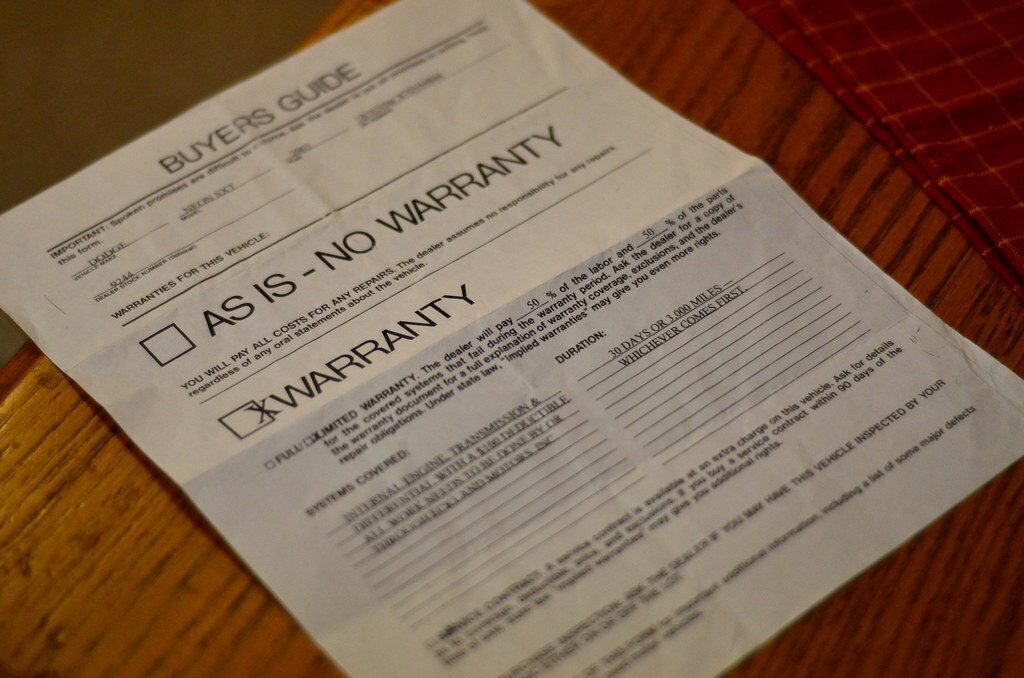
An "As-Is" vehicle sale means that the buyer accepts the car in its current condition without warranties or guarantees from the dealer regarding future performance or reliability. This type of sale transfers the responsibility for any necessary repairs or maintenance entirely to the buyer after the purchase. However, As-Is also means "as represented" which places a significant burden on the dealer to ensure that all material facts about the vehicle's condition are disclosed
accurately and transparently.
Main Threats to an As-Is Sale
Failure to Inspect and Disclose: Not conducting a thorough pre-sale inspection or failing to disclose known or discoverable issues can be seen as unfair and deceptive practices. Courts may view this as a breach of good faith, potentially negating the As-Is status.
Negligence: Even if not intentional, negligence in revealing the car's true condition can lead to legal disputes. Dealers are considered experts, and any oversight may be interpreted as taking advantage of the consumer's lack of expertise.
Lack of Customer Education: Customers must be made fully aware of what As-Is means and what it implies for their future costs and responsibilities. Failure to educate them can lead to dissatisfaction and disputes.
Recommendations for Ensuring Robust As-Is Sales
We recognize the following steps are not the normal procedure for many dealers, we also recognize these steps may increase your costs, and possibly cause the loss of a potential sale. It is my opinion these steps will more than offset their initial cost and ensure less complaints and consumer misunderstanding in the future. With all that said, to mitigate these threats and ensure legally sound As-Is sales, NC dealers should implement the following comprehensive and consistent process across all retail sales:
1. Pre-Sale Inspection
Objective: Conduct a thorough inspection to identify and disclose any issues with the vehicle.
Inspect Everything: Perform a detailed inspection of the vehicle, noting all components that are
at 50% capacity or less, including:
- Tires
- Brakes
- Battery
- Electrical Systems
- Fluids
- Lights
- Suspension
- Engine and transmission
- Fix Critical Issues: Address any components that are weak or likely to fail soon. Ensure the vehicle is in a reasonably reliable condition without necessarily restoring it to a like-new state.
2. Disclosure to the Consumer
Objective: Provide full transparency about the vehicle’s condition and ensure As-Is truly means "as represented."
Comprehensive Report: Prepare an inspection report listing all findings, including minor issues and cosmetic flaws, such as a 12-year-old shopping cart dent repair.
Customer Review: Require customers to review and acknowledge the inspection report.
3. Independent Mechanic Inspection
Objective: Validate the vehicle’s condition through an independent third party.
Customer's Mechanic: Mandate that customers have their own mechanic inspect the vehicle and review the dealer’s inspection report.
Documentation: Obtain a signed statement from the customer's mechanic confirming their inspection and agreement with the vehicle'scondition.
4. Formal Disclosures and Acknowledgments
Objective: Ensure the customer is fully aware and has acknowledged the vehicle’s As-Is status.
Buyers Guide: Have the customer sign the Federal Buyers Guide.
As-Is Disclosure Form: If available through your Dealer Management System (DMS), ensure the customer signs an As-Is disclosure form.
Vehicle History Report: Provide and have the customer sign a Carfax or similar vehicle history report.
VSC Waiver: If the customer declines a Vehicle Service Contract (VSC), have them sign a waiver.
Check-Off Form: Use a check-off form where the customer initials each of the following acknowledgments:
- Understanding the As-Is nature of the sale.
- Being offered and declining a VSC.
- Receiving and reviewing the inspection report.
- Having an independent inspection performed.
We Owe Form: Have the customer sign a We Owe form stating the sale is As-Is, all promised items have been provided, and the dealer is not responsible for any future repairs, adjustments, or services.
5. Customer Education
Objective: Educate the customer about the nature of used car ownership.
Discussion: Clearly explain that a used car is subject to additional repairs and maintenance costs. This is a significant reason for the price difference compared to new cars.
Documentation: Consider recording a video of the closing process to ensure there is evidence that the customer was fully informed and understood all aspects of the sale.
6. Legal Compliance and Best Practices
Objective: Protect the dealership from legal disputes and ensure ethical practices.
Transparency: Do not hold back any information that could be considered material by a legal authority.
No Shortcuts: Avoid any shortcuts in the inspection and disclosure process.
Quality Assurance: Ensure no vehicles are sold in a patched-up or misleading condition.
Unfair and Deceptive Practices: Understand that failing to pre-sale inspect and disclose all material facts a consumer would want to know in making a purchase decision can be considered an unfair and deceptive practice. This can negate the As-Is status.
Expert vs. Consumer: Recognize that the law views the dealer as an expert and the consumer less knowledgeable, placing a higher duty on the dealer to act in good faith and deal fairly.
7. Documentation and Record-Keeping
Objective: Maintain comprehensive records to provide evidence of due diligence.
Signed Documents: Keep copies of all signed documents, including the Buyers Guide, As-Is disclosure form, vehicle history report, VSC waiver, check-off form, and We Owe form.
Video Recording: If possible, record the closing process and keep a record on file.
Meticulous Disclosures: Ensure that all disclosures are meticulously documented and acknowledged by the customer. Make sure all parties sign all documents, leave no blanks or empty spaces.
Consistent Application Across All Sales
Important Note: These recommendations should be applied consistently across all retail sales. Utilizing them piecemeal or haphazardly can undermine the integrity of the process and expose the dealership to legal risks.
By meticulously following these steps, NC dealers can solidify As-Is sales, foster trust with customers, and minimize legal risks. This comprehensive approach ensures customers are well- informed and consent to the terms of the sale, leading to higher satisfaction and fewer disputes.
Conclusion
Disclaimer:
These recommendations are provided as general guidelines to help NC dealers implement a robust As-Is sales process. Please note that this document does not constitute legal advice, nor does it guarantee protection against future claims by consumers against the dealership. For a customized compliance program tailored to your specific needs, please contact S&P Law at www.sandplawnc.com.